What to Wear for a Headshot: A Simple Guide by Job
Quick answer: wear a solid, medium or dark color that fits well at the shoulders, with a neckline that frames your face. Dress one small step above what you wear on a normal workday. Skip thin stripes, big logos and anything you keep tugging at.
That's the whole rule for most jobs. The rest of this guide is the detail: which colors, which necklines, what changes by job, and the few things that look fine in a mirror and bad in a photo.
If you'd rather not own the outfit at all, an AI headshot lets you pick it after you take the photo. More on that at the end, and on professional headshots for work.
From a dark blazer to a navy suit
Example made with Headshotsly from one photo of a man in a dark blazer. The navy suit and blue background come from the style picked, not from his closet.


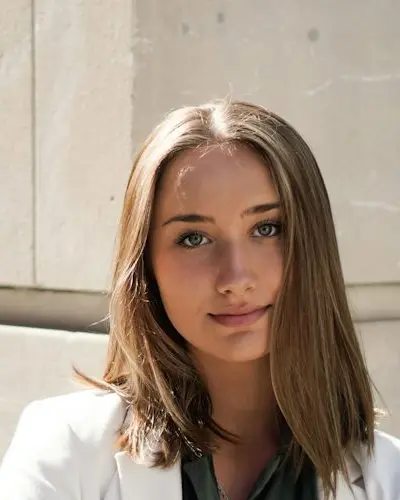
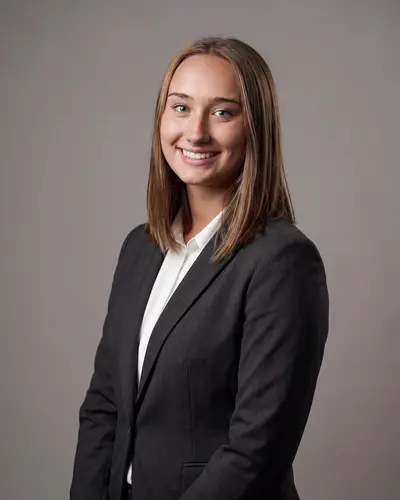
From a white blazer to a black one
Example made with Headshotsly from one photo of a young woman in a white blazer. The black blazer and plain gray background were picked in the style.
The four rules that work for almost everyone
Headshots are cropped at the chest, so only the top third of your outfit shows. Everything below the second button can be gym shorts. What matters is the color near your face, the neckline and the fit at the shoulders.
- Solid colors. Navy, charcoal, soft gray, deep green, burgundy and muted blue all photograph well.
- A neckline that frames the face: an open collar, a V-neck, or a collar under a blazer.
- Shoulders that fit. A jacket that's too big looks borrowed; one that's too tight pulls across the chest.
- Something you feel normal in. If you keep adjusting it, it will show in your face.
Colors: what helps and what fights you
Your face should be the brightest, most interesting thing in the photo. Clothes that are louder than your face pull the eye down.
A good test: squint at yourself in the mirror. If the first thing you see is your shirt, change it.
- Pure white with no jacket can look flat and bright next to the face; it's fine under a blazer or sweater.
- Pure black can lose its shape on a dark background. Charcoal or navy keeps the outline.
- Neon and very bright colors steal attention from your face.
- Pick a color that stands apart from the background: dark clothes on a light background, or the other way round.
Patterns, logos and accessories to skip
Thin stripes, small checks and fine herringbone can turn into a wavy shimmer in photos. Larger, soft patterns are usually fine; tiny tight ones are the problem.
Logos date a photo and make it look like an ad. A big brand name on your chest is the first thing people read.
- Jewelry: one or two small pieces. Big earrings or a statement necklace compete with your face.
- Glasses: wear them if you wear them every day, so people recognize you. Anti-glare lenses help.
- Hats and sunglasses: no, unless they're part of your job or your brand.
What to wear by job
The right outfit depends less on headshot rules and more on what people in your work expect to see when they meet you. Here's where to start, with a deeper guide for each.
- Corporate, finance, consulting: a navy or charcoal suit, or a blazer over a plain shirt. See corporate headshots.
- Law: a dark suit, with or without a tie; what to wear for a lawyer headshot goes deeper.
- Real estate: a blazer for most agents, a suit for luxury and commercial work. Full guide: what to wear for a realtor headshot.
- Tech and startups: smart casual or a plain sweater; a suit can look like a costume. See the tech headshot dress code and tech headshots.
- Owners, founders and freelancers: match what your customers see when they meet you, and go one step smarter than your normal work clothes, not three. See business headshots.
- Healthcare: scrubs or a white coat if that's how patients see you; business clothes for admin roles. See medical headshots.
- Job seekers: one level above what people wear in the job you want. See headshots for your resume.
Fit and grooming in the last ten minutes
Iron or steam the collar and the shoulders; those are the parts the camera sees. Check that the collar sits flat on both sides and that nothing is twisted at the neck.
Hair should look like it does on a normal good day, not freshly cut that morning. Lint roller on dark shoulders. If your skin gets shiny, a little powder or a paper towel helps more than any filter.
Or skip the outfit and pick it after
With an AI headshot, the outfit in the final photo comes from the style you pick, not from what you wore in the selfie. The work styles include Navy Suit, Charcoal Suit, Blazer, Smart Casual and Sweater; law adds Suit & Tie; healthcare has scrubs and white coats.
So you can take the selfie in a T-shirt, in daylight, and try a suit and a sweater side by side. 5 photos cost $4.99, paid once, and the first photo is free. The free headshot generator shows you one before you pay.
Frequently Asked Questions
Solid, medium to dark colors: navy, charcoal, soft gray, deep green, burgundy, muted blue. Pick one that stands apart from your background.
White under a blazer or sweater is fine. A white shirt on its own can look flat and very bright next to your face, especially on a light background.
Large, soft patterns are usually fine. Avoid thin stripes, small checks and fine herringbone: they can shimmer in photos.
If you wear them every day, yes, so people recognize you. Anti-glare lenses help. If you only wear them to read, leave them off.
No. One well-fitting top in a solid color is enough. With an AI headshot you pick the outfit in the style, so you don't need to own it.
Related Pages
Try the outfit before you own it
One free photo from your selfie, in the outfit you pick. Pay only if you like it.